

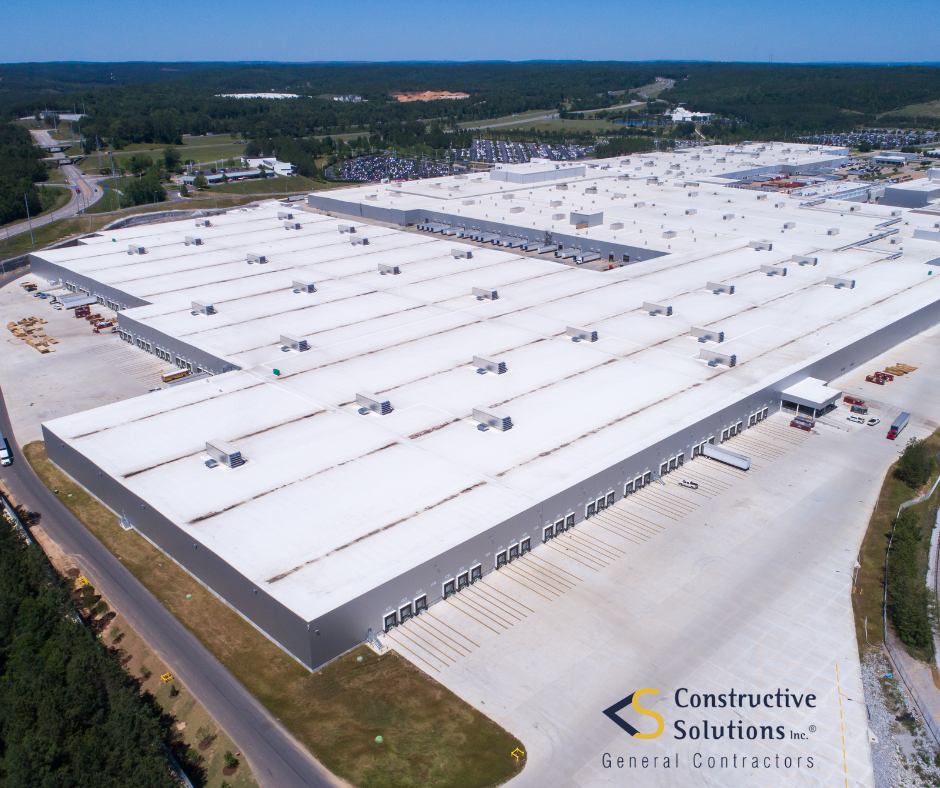
A commercial roof should be selected as a complete assembly—not by membrane name or price alone. The deck, air and vapor control, insulation, cover board, membrane or panels, flashings, penetrations, drainage and installation details work together. Building use, climate exposure, rooftop traffic, equipment, fire and wind requirements, warranty terms and maintainability all affect the decision.
This guide compares common commercial roofing materials and systems for owner planning. It is educational, not a roof design, condition assessment, bid or installation recommendation. A qualified roofing design professional or consultant and appropriately licensed, manufacturer-qualified installer should evaluate the specific building.
How Commercial Roofing Systems Differ
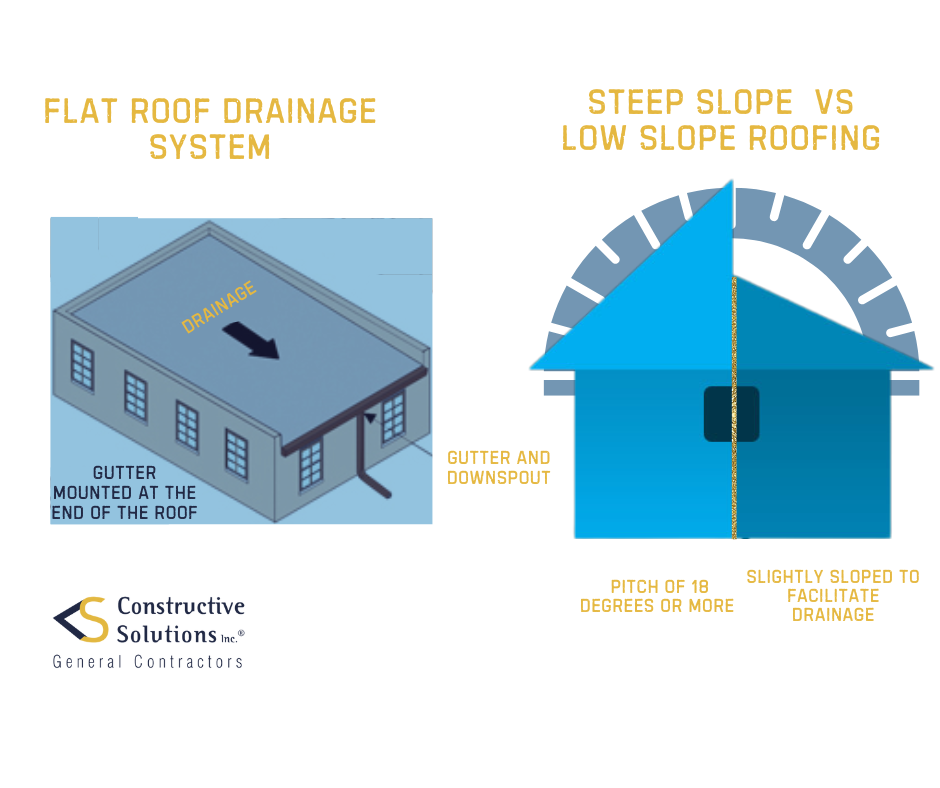
Commercial buildings commonly use low-slope assemblies, steep-slope assemblies or a combination. “Flat roof” is a familiar phrase, but drainage slope and detailing still matter. The appropriate system depends on the roof geometry, deck and structure, drainage, penetrations, existing assembly and code requirements.
Before comparing products, document:
- Roof area, slopes, drainage paths, penetrations and rooftop equipment.
- Deck type, structural capacity and verified existing assembly.
- Moisture condition and whether test cuts or other investigation are needed.
- Building use, interior humidity, temperature and operational sensitivity.
- Access, foot traffic, grease, chemicals, wind exposure and fire classification.
- Energy-code, insulation, reflectance and air- or vapor-control requirements.
- Removal, overlay and recover feasibility, including code and manufacturer limits.
- Warranty, inspection and maintenance responsibilities.
Commercial Roofing Materials at a Glance
| System | Typical strength | Important constraint |
|---|---|---|
| TPO or PVC single-ply | Heat-welded thermoplastic seams and reflective options | Puncture protection, attachment, detailing and product-specific compatibility |
| EPDM single-ply | Flexible rubber membrane with established repair methods | Seam execution, reflectance selection and rooftop traffic protection |
| Modified bitumen | Multi-layer asphalt-based assembly with robust surface options | Application method, weight, odor or flame restrictions and detailing |
| Built-up roofing | Multiple reinforcing plies and redundant waterproofing | Weight, logistics, odor, installation process and surfacing |
| Metal | Durable panel systems for appropriate slopes and geometries | Movement, fasteners or seams, corrosion, condensation and complex details |
| Asphalt shingles | Familiar steep-slope finish with broad aesthetic choices | Not a low-slope membrane; suitability depends on required slope and exposure |
| Vegetated roof | Landscape, stormwater and amenity potential above waterproofing | Structure, drainage, root protection, irrigation, access and maintenance |
| Liquid-applied or SPF | Monolithic application around complex details | Substrate preparation, weather window, thickness control and applicator skill |
1. Single-Ply Roofing: TPO, PVC and EPDM
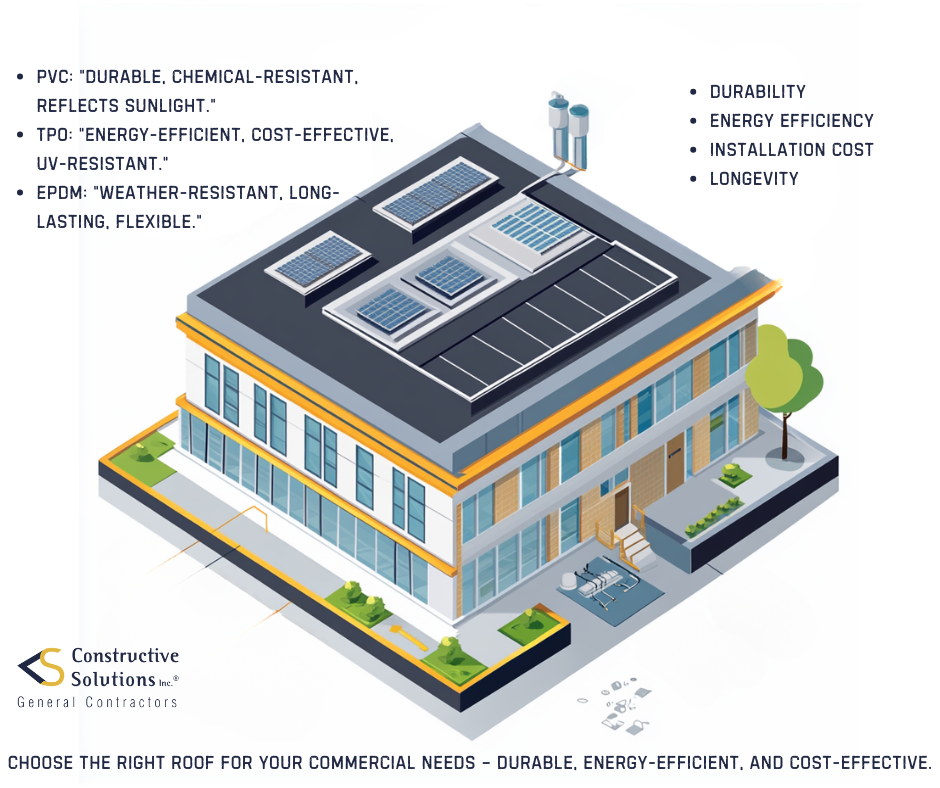
Single-ply systems use a factory-manufactured flexible membrane installed over a prepared substrate. Assemblies may be mechanically attached, adhered or ballasted when permitted by the tested system and project conditions.
TPO
Thermoplastic polyolefin is a heat-welded thermoplastic membrane available in reflective colors. It is widely considered for low-slope commercial roofs.
Potential advantages: Reflective options, welded seams, relatively light assembly and broad manufacturer availability.
Review carefully: Membrane formulation and thickness, attachment and wind design, seam quality, penetration details, compatibility, cover-board needs and protection from service traffic.
PVC
Polyvinyl chloride is another heat-welded thermoplastic membrane. Certain formulations are selected where grease, oils or chemical exposure is a concern, but resistance is product- and exposure-specific.
Potential advantages: Welded seams, reflective options and specialized formulations.
Review carefully: Chemical compatibility in writing, plasticizer migration or aging considerations, product compatibility, substrate separation, walk pads and manufacturer details.
EPDM
Ethylene propylene diene monomer is a synthetic rubber membrane. It is commonly supplied in dark sheets, with other surface options depending on manufacturer and assembly.
Potential advantages: Flexibility, large sheets and established repair techniques.
Review carefully: Seams and adhesives, attachment, perimeter and penetration detailing, reflectance goals, puncture protection and exposure to incompatible materials.
No single-ply type is inherently “leak-proof.” Water resistance depends on design, drainage, substrate, installation, details, inspection and maintenance.
2. Modified Bitumen Roofing
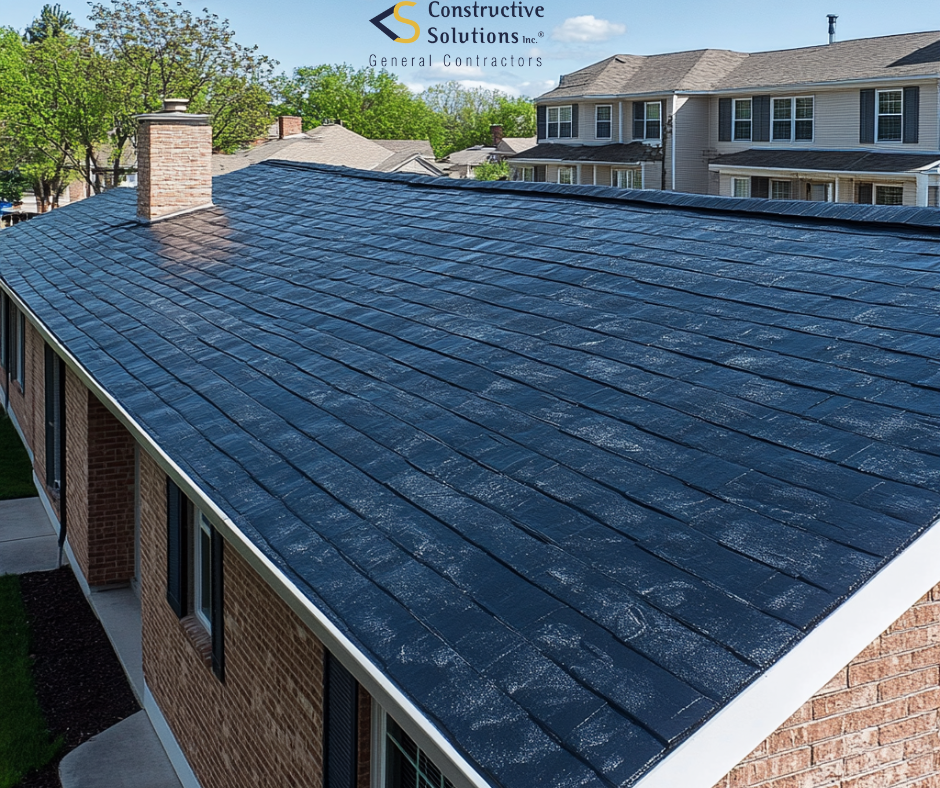
Modified bitumen combines asphalt with polymer modifiers and reinforcement. Systems may use one or more sheets with mineral, coating or aggregate surfacing and can be installed using several application methods.
Potential advantages: Multi-layer options, robust surfacing, familiar detailing and good resistance to controlled service traffic when designed for it.
Review carefully: Hot asphalt, torch, cold-applied or self-adhered method; building occupancy and odor constraints; deck and substrate; fire-safety procedures; drainage; flashings; and total assembly weight.
3. Built-Up Roofing (BUR)
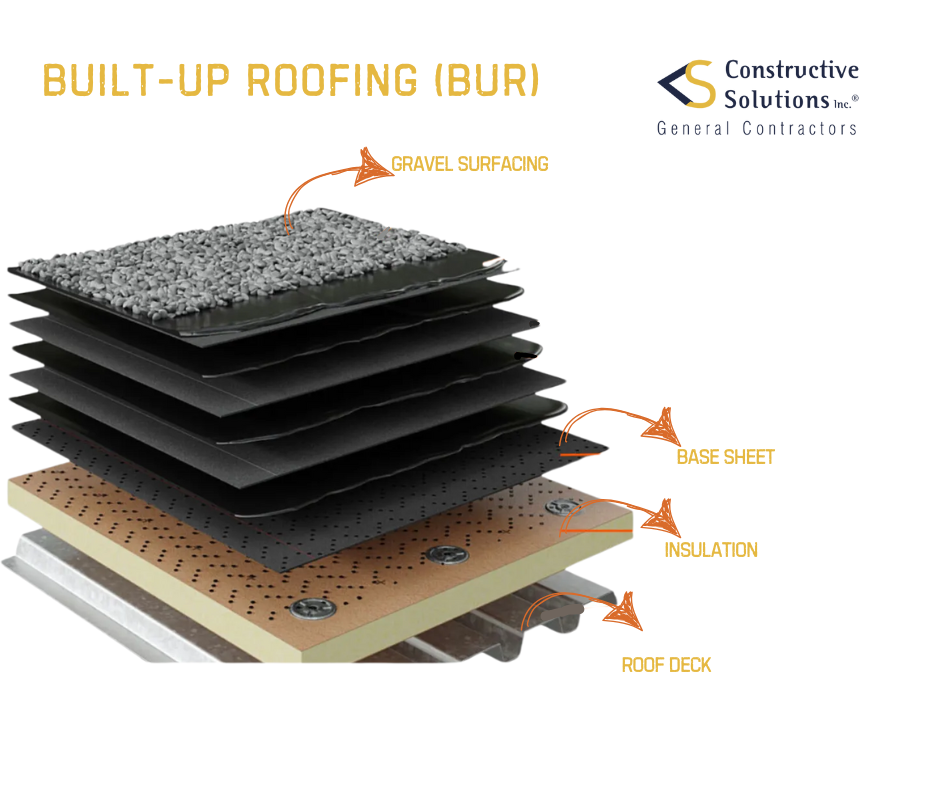
Built-up roofing uses alternating layers of bitumen and reinforcing felts, finished with aggregate, coating or another approved surface. Its multiple plies provide waterproofing redundancy.
Potential advantages: Redundant layers, established system history and durable surfacing options.
Review carefully: Structural load, tear-off and staging, hot-material or odor restrictions, edge and penetration details, surface maintenance, drainage and compatibility with the occupied building.
4. Commercial Metal Roofing
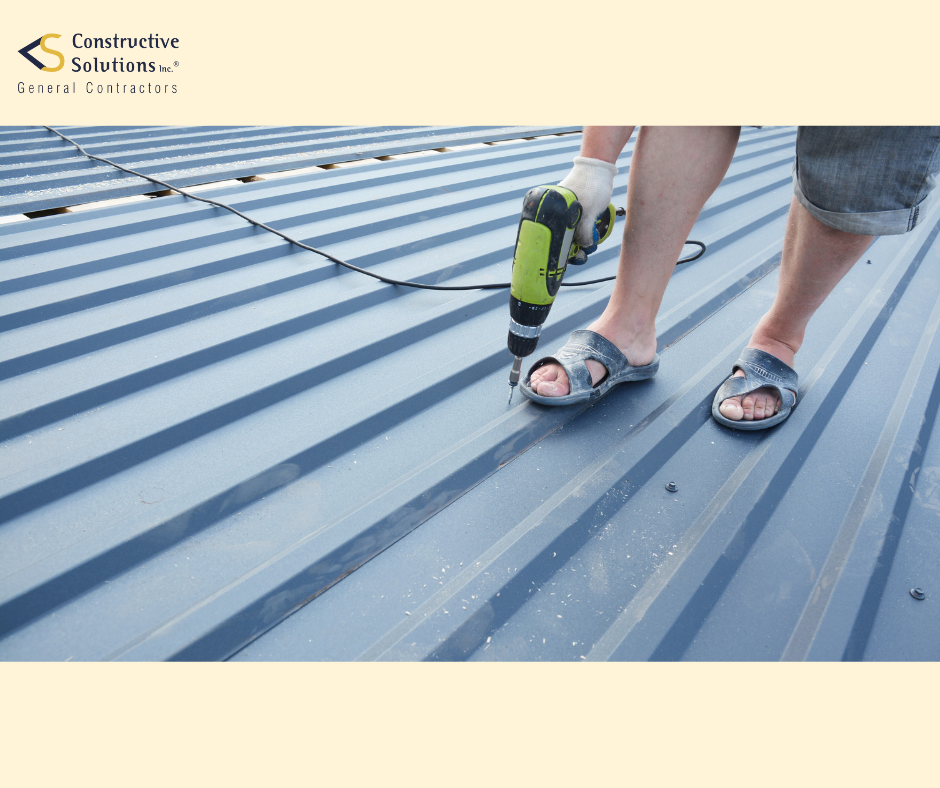
Commercial metal roofs include structural and architectural panel systems in several metals and finishes. Standing-seam systems can perform well when the roof geometry, slope, attachment and details suit the selected assembly.
Potential advantages: Durable finishes, recyclability, color and profile choices, and suitability for many steep- and low-slope applications designed for metal.
Review carefully: Required slope, panel length and thermal movement, clips and fasteners, wind-uplift design, corrosion environment, dissimilar metals, condensation control, acoustics, snow or water behavior, penetrations and repair access.
Metal is not automatically the longest-lasting choice for every building. Service life depends on material, coating, exposure, design, detailing, installation and maintenance.
5. Asphalt Shingles on Commercial Buildings
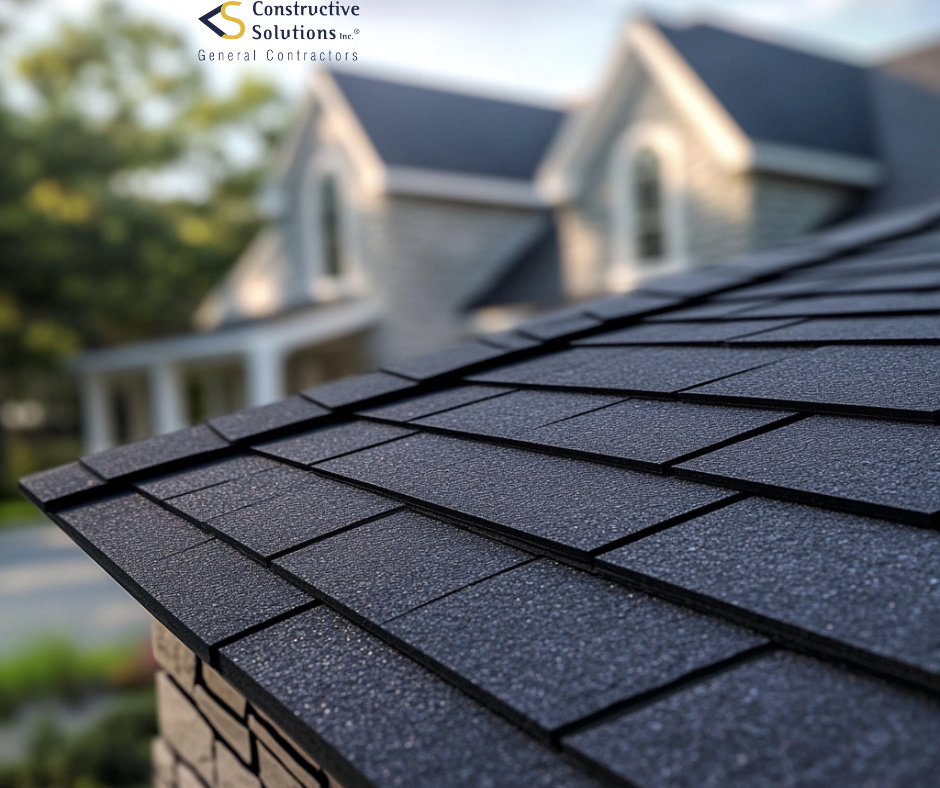
Asphalt shingles may be appropriate on steep-slope portions of offices, retail buildings, multifamily-style commercial properties or other buildings where their appearance fits the architecture.
Potential advantages: Familiar installation, accessible localized repair and varied colors and profiles.
Review carefully: Minimum slope and underlayment requirements, wind exposure, ventilation, fire classification, valleys and transitions, rooftop access and the interface with low-slope roof areas. Shingles should not be treated as a substitute for a low-slope membrane.
6. Vegetated or Green Roof Assemblies
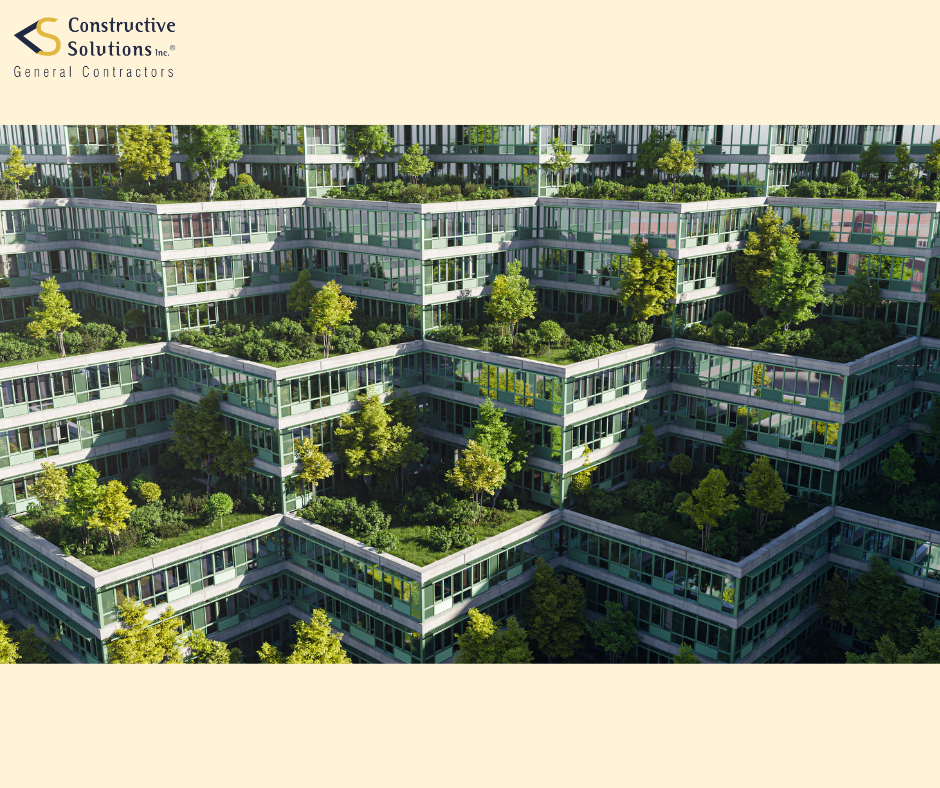
A vegetated roof places plants, growth media, drainage and protection layers above a waterproofing and root-control assembly. The U.S. General Services Administration describes both extensive and intensive planted roofs and emphasizes project-specific structural capacity, drainage and maintenance considerations.
Potential advantages: Stormwater management, heat-island mitigation, habitat, aesthetics and usable amenity potential when the building and program support them.
Review carefully: Saturated dead load and live load, waterproofing access and testing, root barrier, drainage, overflow, irrigation, plant selection, wind, fire, guardrails, maintenance access and long-term horticultural care. Environmental or certification credit should be evaluated by the project’s qualified design and sustainability team; a roof type alone does not guarantee certification.
Official reference: GSA planted-roof guidance.
7. Liquid-Applied Coatings and Spray Polyurethane Foam
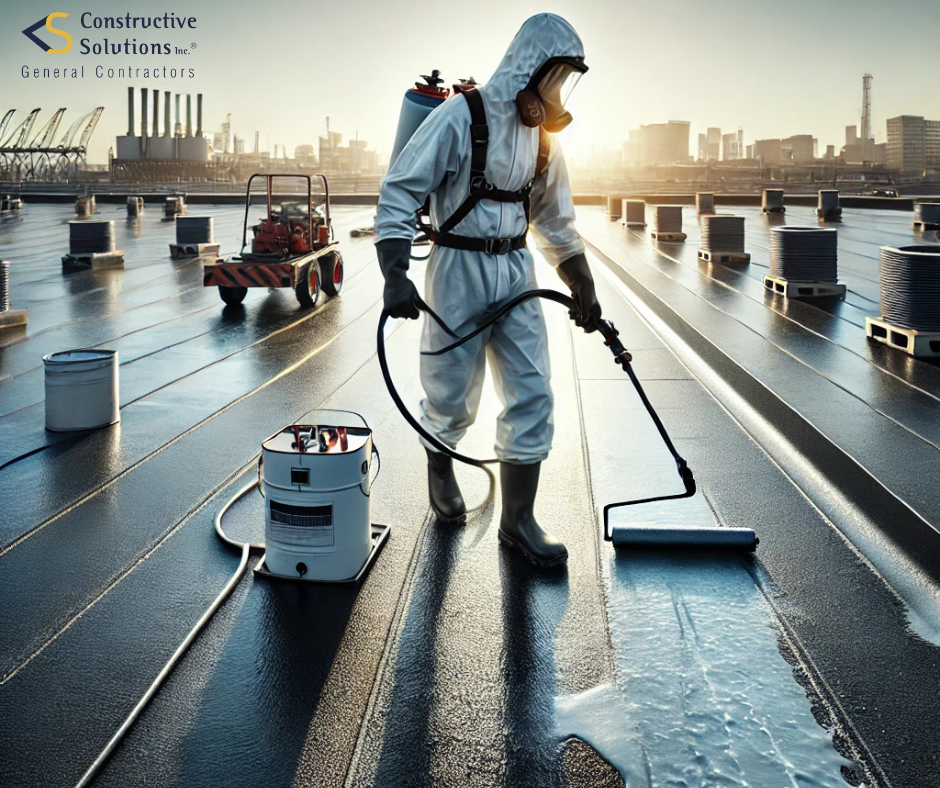
Liquid-applied membranes and roof coatings cure to form a continuous surface. Spray polyurethane foam (SPF) creates an insulating foam layer that is protected by a coating. These are different systems and should not be grouped as interchangeable products in specifications.
Potential advantages: Monolithic application around irregular details, recover options for some existing roofs and renewability of certain coating systems.
Review carefully: Moisture survey, substrate adhesion and preparation, compatibility, weather during application, overspray control, drainage, required thickness, ultraviolet protection, fire requirements, quality-control testing and applicator qualifications.
A coating is not automatically a repair for trapped moisture, failed insulation, structural problems or defective details. Diagnose conditions before selecting a recover or restoration approach.
How to Compare Commercial Roof Costs
Unit-price ranges found online are rarely comparable. They may omit removal, hazardous materials, deck repair, insulation, tapered drainage, edge metal, permits, access, cranes, occupied-building protection, equipment curbs, warranties and contractor overhead.
Ask bidders or consultants to price the same documented scope and identify:
- Measured roof area, drawing date and test-cut assumptions.
- Tear-off, disposal, recover and deck-repair quantities.
- Insulation R-value, taper, cover board and attachment method.
- Membrane or panel manufacturer, product, thickness or gauge and surfacing.
- Perimeter, penetration, drainage, flashing and equipment work.
- Temporary protection, access, shutdown and weather planning.
- Warranty issuer, term, inspections, exclusions and owner maintenance duties.
- Allowances, alternates, exclusions and contingency.
Commercial Roof Selection Framework
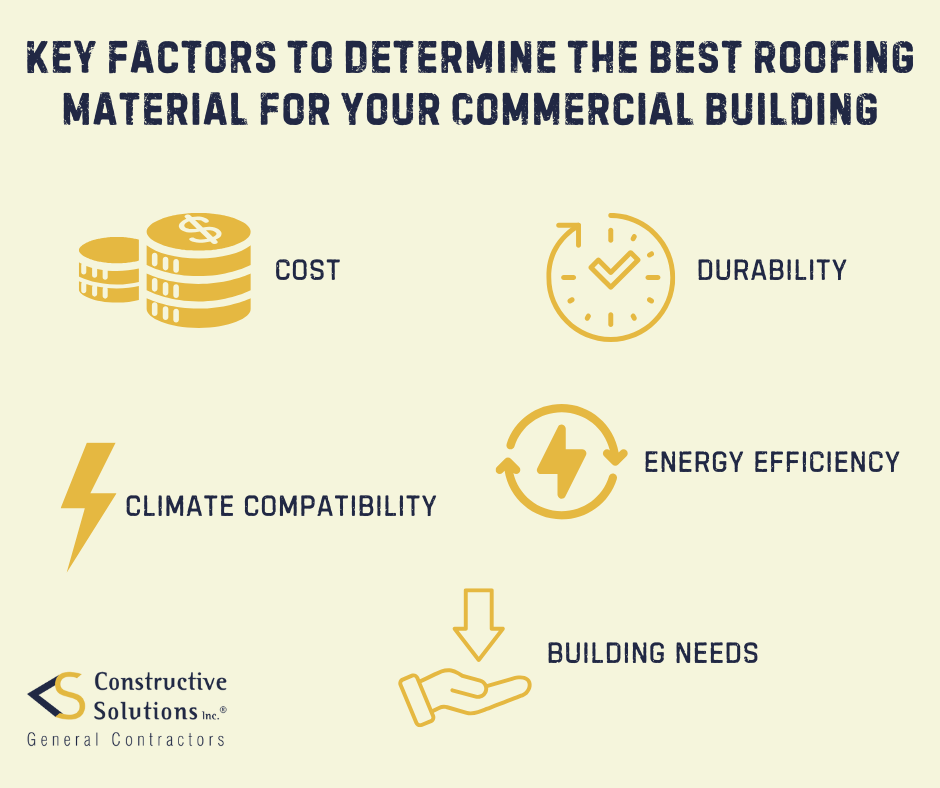
- Investigate. Document leaks, repairs, drainage, deck, moisture, equipment and existing layers.
- Define performance. Establish service life goals, occupancy sensitivity, energy goals, rooftop use and maintenance capacity.
- Confirm constraints. Review structure, code, wind, fire, slope, height, access, phasing and manufacturer requirements.
- Compare complete assemblies. Evaluate compatible tested systems rather than isolated materials.
- Model life-cycle obligations. Include inspections, cleaning, repairs, recoating or resurfacing and warranty conditions—not only first cost.
- Specify quality control. Define submittals, installer qualifications, manufacturer inspections, adhesion or seam testing and closeout records as applicable.
Reflective or “cool roof” choices should be evaluated for climate, insulation, moisture and building conditions. The U.S. Department of Energy notes that roof reflectance can reduce cooling demand in some climates, but system selection remains building-specific. See the DOE Better Buildings roof resources.
Questions to Ask Before Selecting a Roof System
- What is causing the observed problem, and what investigation supports that conclusion?
- Can the existing roof legally and technically be recovered, or is removal required?
- How will drainage, penetrations and rooftop equipment be detailed?
- Which tested assembly meets the applicable wind, fire and code requirements?
- How will occupied areas and business operations be protected?
- What manufacturer and installer qualifications are required?
- What inspections, maintenance and documentation preserve the warranty?
- How will future equipment changes or roof access be managed?
Conclusion
The best commercial roofing material is the one that forms a compatible, properly designed and maintainable assembly for the specific building. TPO, PVC, EPDM, modified bitumen, BUR, metal, shingles, vegetated systems and liquid-applied systems each have valid applications and meaningful constraints.
Constructive Solutions, Inc. is a commercial general contractor serving San Francisco and the Bay Area. This article does not represent a claim that the company provides roofing design, installation, repair, emergency response or manufacturer warranty services. For broader commercial renovation or construction planning, review our commercial construction services, project portfolio or contact page. Confirm the required roofing credentials and scope before retaining any project participant.
Commercial Roofing Materials FAQs
What is the best material for a commercial roof?
There is no universal best material. The answer depends on roof slope and deck, existing conditions, climate, use, rooftop traffic, system performance, code, warranty and maintenance plan.
Are TPO and PVC the least likely commercial roofs to leak?
No system is inherently leak-proof. Heat-welded seams can be an advantage, but drainage, design, substrate, attachment, installation, flashings, penetrations and maintenance determine performance.
Which commercial roofing material lasts the longest?
Published service-life ranges vary widely and should not decide the system alone. Compare product and assembly evidence, exposure, detailing, installation quality, maintenance and owner replacement horizon.
Can a roof coating replace a commercial roof?
Sometimes a compatible restoration system is feasible, but not when conditions such as trapped moisture, failed insulation, unsuitable substrate or structural defects require other work. Investigation and manufacturer requirements control.
How should an owner compare commercial roofing bids?
Require the same scope, assembly, quantities, details, logistics, warranty and exclusions. A lower unit price is not comparable if it omits tear-off, insulation, deck repair, flashing, access or testing.
Relevant Resources:
- Commercial Construction Services
- Commercial Project Portfolio
- Benefits of Hiring a Local Commercial Builder
Constructive Solutions, Inc. is a full-service commercial construction company serving San Francisco and Bay Area.
Whatever your vision, we have the resources, experience, and insight to make your concept a reality, and a space where your business can flourish.
Call Us Now for Estimate








Leave a Reply