Existing-condition review
Review available drawings, surveys, building information, site access and known constraints so the team can identify gaps before they become field issues.


Commercial preconstruction services · San Francisco Bay Area
Constructive Solutions helps commercial owners, tenants and project teams in San Francisco and the Bay Area define scope, test budget and schedule assumptions, coordinate delivery considerations and prepare for construction.
Before commitments harden
Commercial construction decisions begin well before a crew mobilizes. A tenant may be evaluating a lease, a property owner may be considering a market-ready suite, or a design team may need to test whether a concept can be delivered within a target budget and milestone. Early assumptions about existing conditions, building rules, permits, access and procurement can materially affect the path forward.
As a commercial general contractor, Constructive Solutions uses preconstruction to organize the information available at that stage. The purpose is not to promise certainty before a scope is defined. It is to identify decisions, constraints and open questions early enough for the owner and project team to address them responsibly.
For an approved interior delivery scope, see our commercial interior build-out service. For a tenant’s leased space, see our tenant improvement contractor capabilities.
Project-specific planning
The mix of services depends on the property, project documents and delivery approach. A useful early plan commonly brings together the following workstreams.
Review available drawings, surveys, building information, site access and known constraints so the team can identify gaps before they become field issues.
Coordinate with the owner and consultants to clarify scope boundaries, phasing, interfaces, assumptions and practical construction considerations.
Organize current pricing inputs and allowances around the level of design information available, identifying major cost drivers and items requiring further definition.
Evaluate alternatives with the project team when they preserve required function, performance and approvals while improving the delivery path.
Review design, permitting, submittal, fabrication, long-lead material, access and construction sequencing considerations that influence milestones.
Identify building rules, occupied-space conditions, safety, shutdowns, loading, inspections and coordination items relevant to the actual property.
A better starting conversation
Early-stage information is often incomplete. That is normal. The goal is to establish what is known, what needs validation and who owns each next decision. Plans become more actionable when they include the property context as well as design intentions.
Preconstruction does not replace the work of an architect, engineer, authority having jurisdiction or building manager. It coordinates construction input with their work so that decisions are made with delivery in view.
A planning framework
Every commercial project has different documents, stakeholders and approvals. This sequence shows how preconstruction can organize the work without implying a universal promise of cost or schedule.
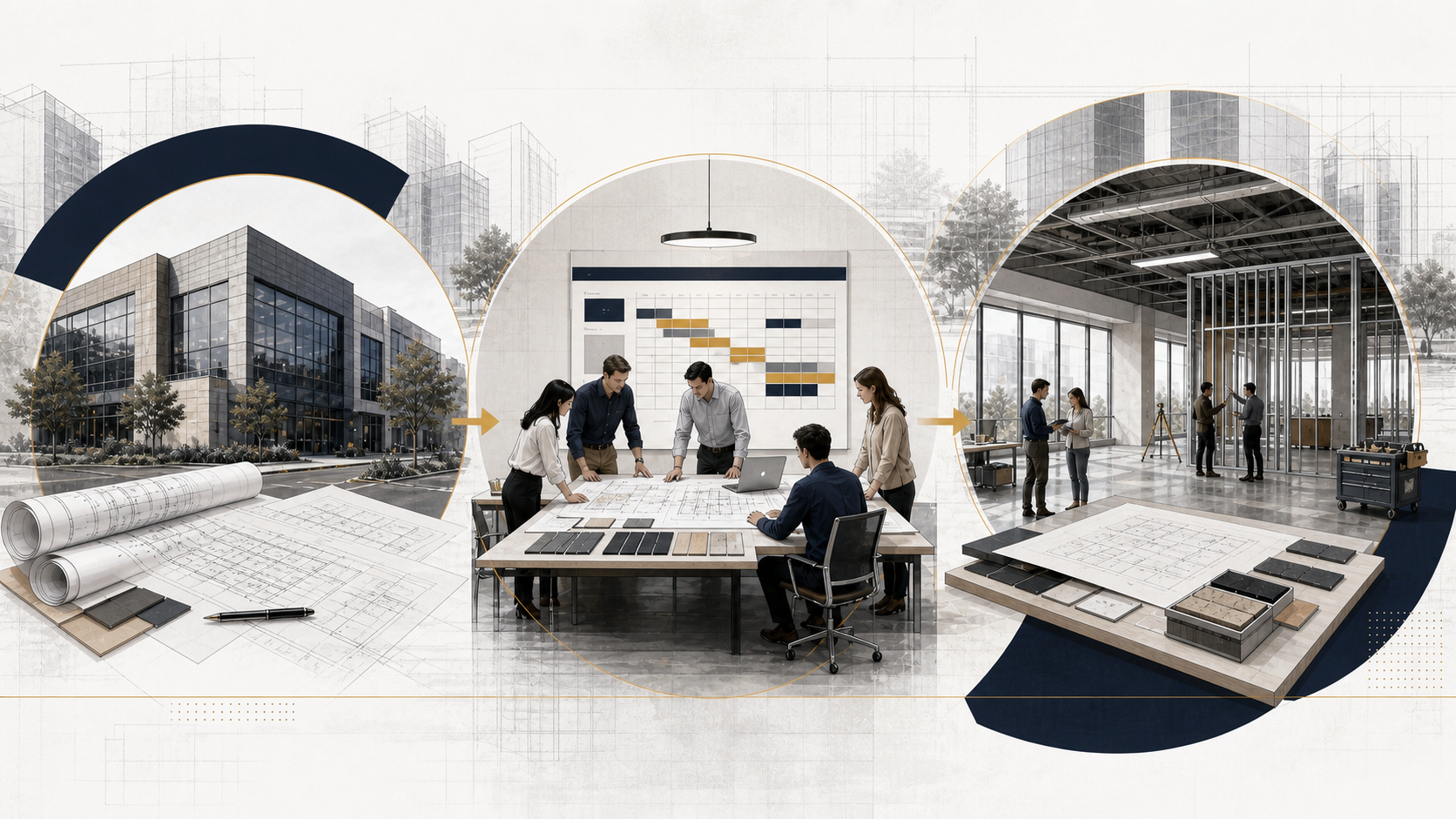
Illustrative process graphic; it does not depict a specific Constructive Solutions project.
Review the property, business goals, available records, decision-makers and initial constraints.
Coordinate scope, design information, constructability, budget assumptions and delivery options.
Organize milestones, permitting, procurement, access, logistics, risks and responsibilities.
Advance the approved scope through the applicable pricing, contracting, submittal and construction steps.
Budget and schedule
Early budgets and schedules are decision tools, not guarantees. Their reliability depends on the completeness of drawings, existing-condition knowledge, jurisdictional requirements, access, market conditions, procurement timing and the selected construction approach. A responsible process records assumptions and revisits them as information improves.
For broader education about estimating and cost drivers, review what preconstruction services involve and our commercial construction cost guide. Those resources support research; a project-specific plan needs current property and scope information.
Documented commercial delivery
These records document completed commercial work and Constructive Solutions’ delivery role. They are proof of relevant project settings, not a claim that every project follows an identical process.
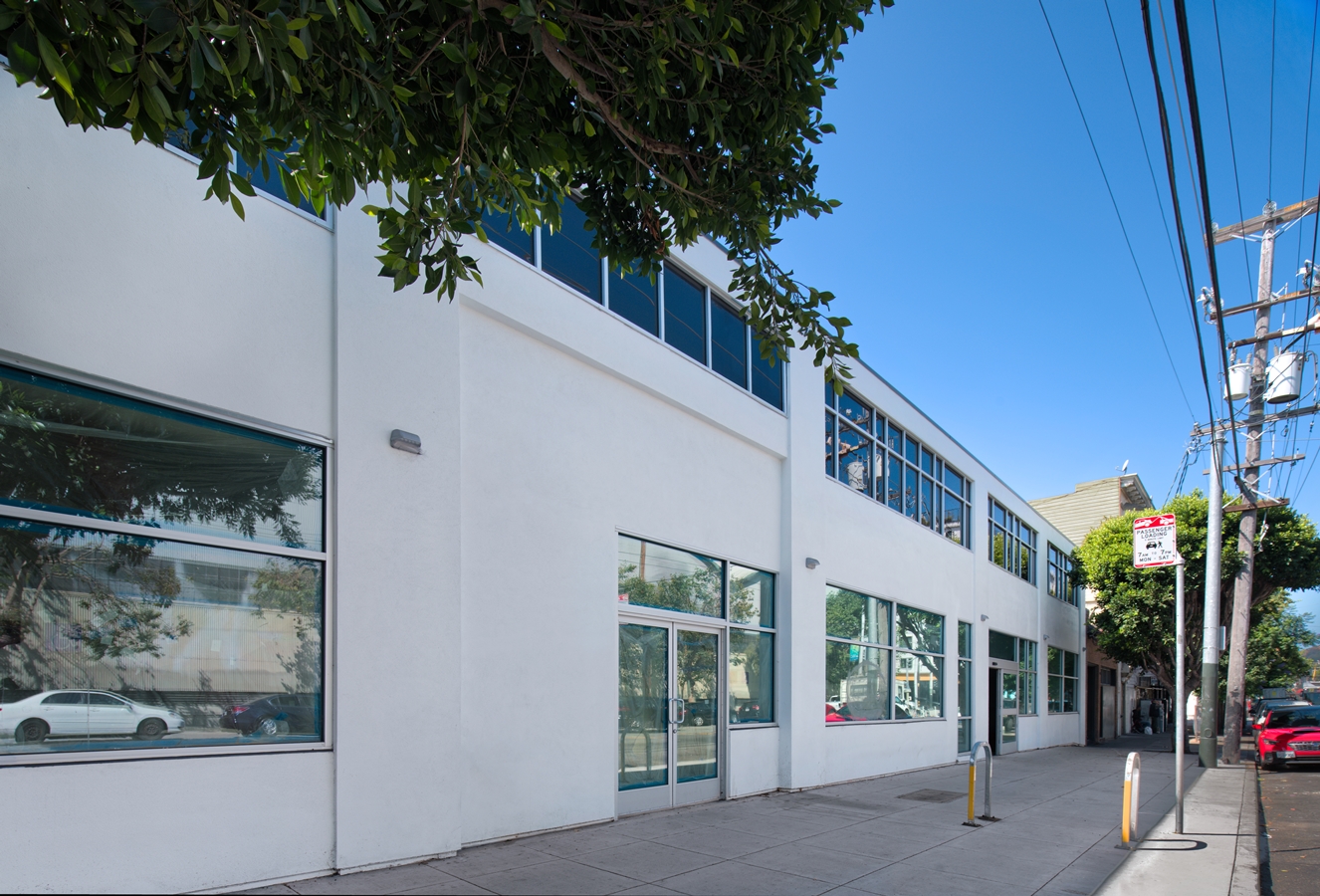
Core-and-shell construction · Design-build contractor
Documented work included abatement, demolition, concrete, saw cutting, structural steel, waterproofing, roofing, electrical and plumbing systems, coordinated with approved plans, existing conditions and site access.
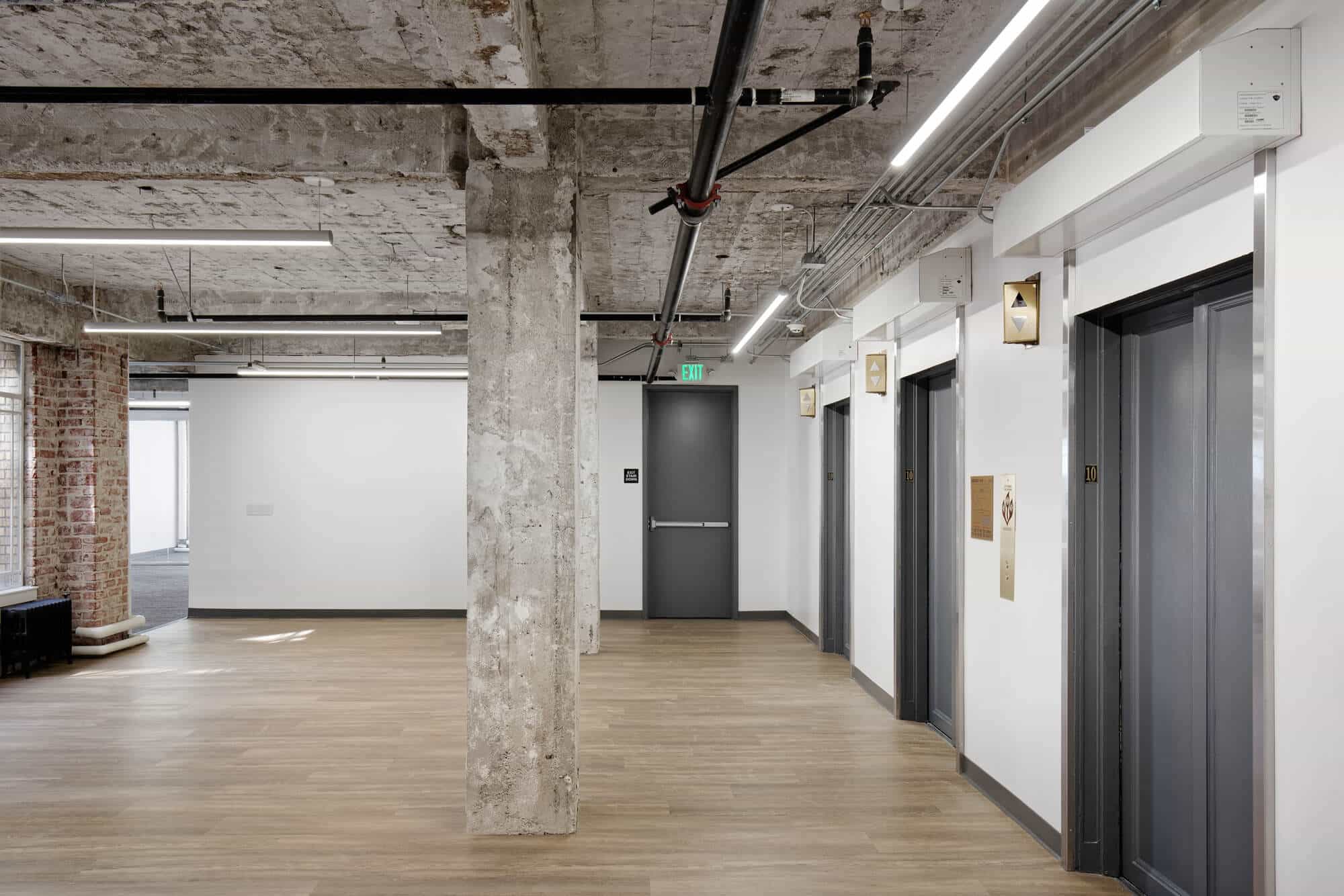
Market-ready/spec buildout · Design-build contractor
The documented scope included abatement, demolition, drywall, painting, flooring, tile, electrical, mechanical/HVAC, millwork, countertops and lighting for a commercial interior prepared for leasing.
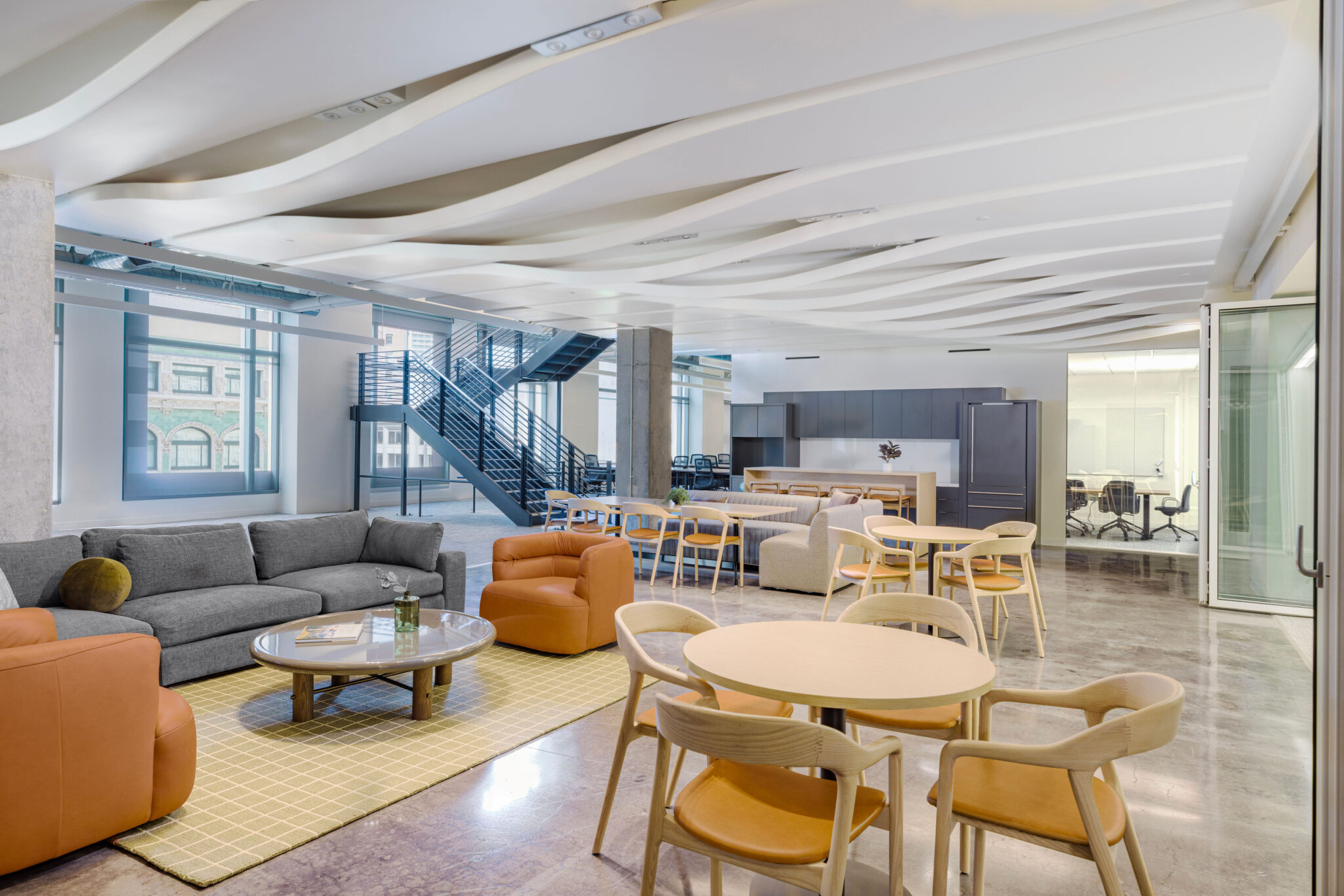
Two-floor market-ready/spec buildout · Design-build contractor
The project record documents a commercial interior prepared for leasing and future tenant occupancy, coordinated around approved scope, existing conditions, building access and project-team requirements.
See more in our commercial construction portfolio or explore our commercial markets.
Common questions
It is most valuable while the owner and project team can still align property information, design choices, budget parameters, schedule goals and building constraints. The appropriate starting point depends on what is known and what decisions remain open.
No. Early estimates depend on the information available at the time and should state their assumptions. A dependable contract value requires a defined scope, current pricing and the appropriate project documents and approvals.
Not necessarily. Value engineering examines alternatives against required function, performance, maintenance, schedule and cost. The owner and design team determine whether an alternative remains appropriate for the project.
It can identify operating hours, access routes, protection, shutdowns, noise and dust controls, phasing and building-management requirements before construction begins. The exact plan must respond to the actual property and scope.
Constructive Solutions has documented commercial design-build projects. Whether design-build is suitable depends on the procurement process, consultant needs, project scope and owner preferences. See our commercial design-build contractor page for that delivery model.
Preconstruction focuses on planning before field work begins. Construction management can include broader coordination during delivery. The right terms and responsibilities should be defined in the project agreement rather than assumed from a label.
Tell Constructive Solutions where the commercial project is located, what you are planning, what documents are available and which milestones matter. That context helps determine the right next conversation.
For Oakland commercial projects, explore our commercial general contractor services in Oakland.
For Peninsula commercial projects, visit our San Mateo commercial general contractor page.
San Jose preconstruction: Our San Jose commercial contractor service-area page explains the local permit-planning framework, project-readiness inputs and documented regional experience.
San Leandro owners can apply these early-planning principles through our San Leandro commercial general contractor service-area resource.
Preconstruction teams can pair this service guidance with the local planning pages for Palo Alto commercial construction and Burlingame commercial construction.
Office project teams can apply these early-planning principles through our commercial office construction framework and verified workplace examples.
Apply these preconstruction principles to outpatient projects with our medical office fit-out planning framework.
For laboratory and life-science projects, pair this process with our evidence-led laboratory construction planning framework.